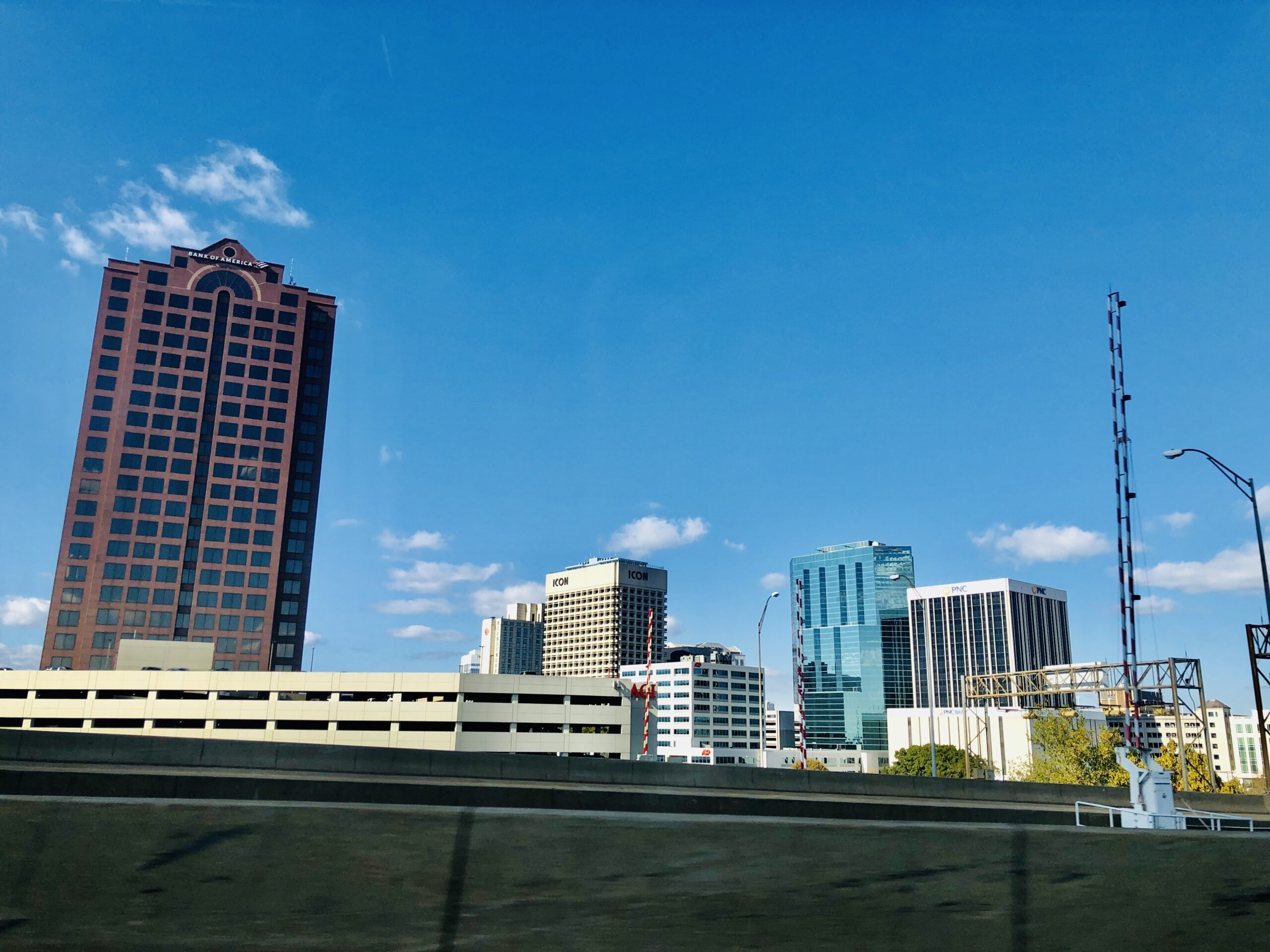
The Norfolk Cruise Terminal sits in downtown Norfolk, just steps from the city’s most walkable cruise-passenger attractions, restaurants, and museums.
The Victory Rover naval base cruise from Norfolk’s terminal area is the only public way to see the world’s largest naval base from the water — and one of the highest-rated cruise port experiences in Norfolk. This Victory Rover naval base cruise guide covers what you’ll see, when to book, ticket prices, where it leaves from, and how to fit a two-hour Victory Rover naval base cruise into a typical Norfolk cruise port day without breaking the rest of your itinerary.
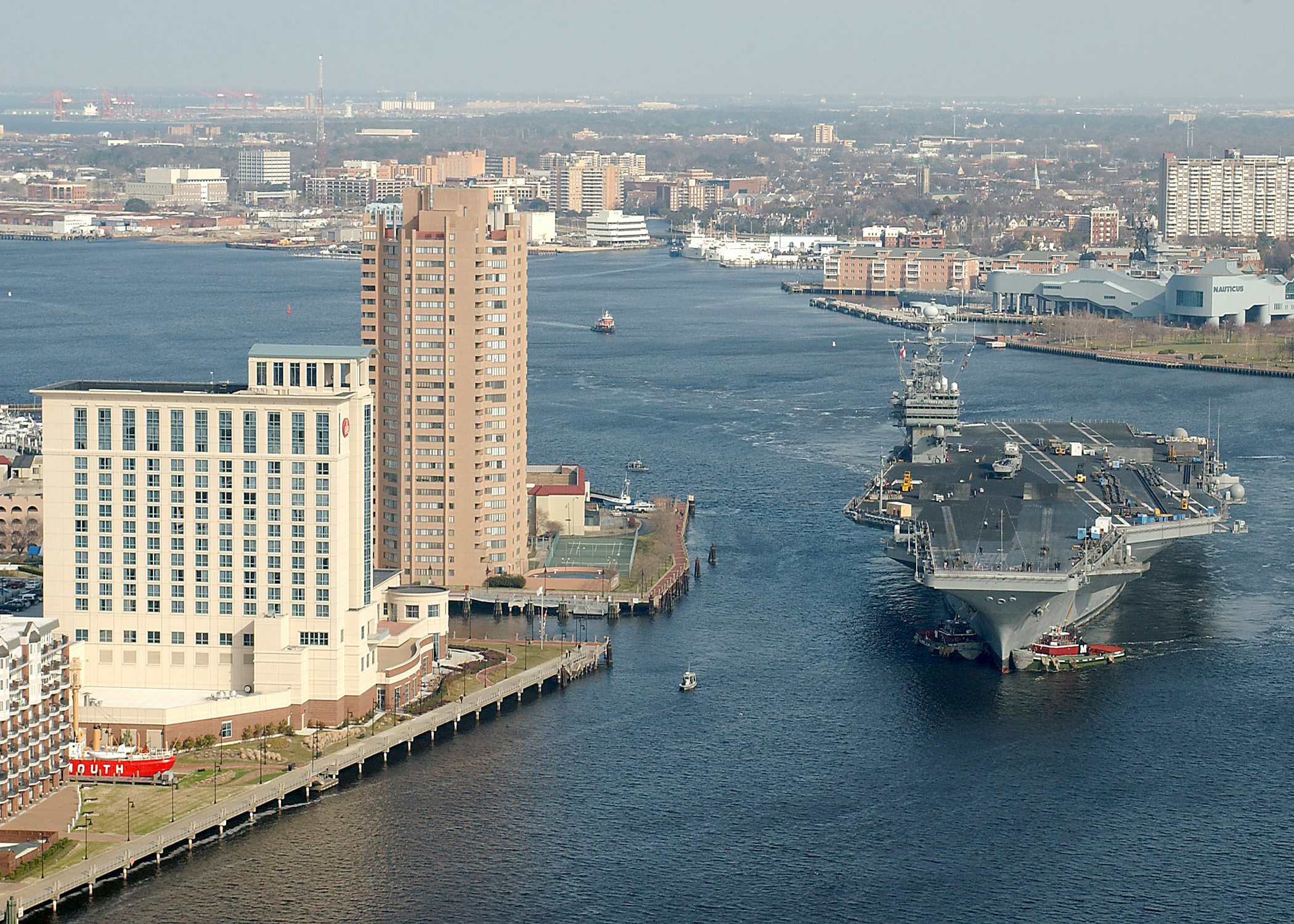
The Victory Rover naval base cruise has run guided harbor tours from Norfolk for over 30 years. The narrated two-hour route departs from Nauticus pier (a 5-minute walk from the Norfolk Cruise Terminal Cruise Center) and circles the active naval piers at Naval Station Norfolk, where 60+ active warships are typically docked. For cruise passengers, the Victory Rover naval base cruise offers a vantage point that rideshare, bus tours, and the terminal walking simply can’t replicate.
What you see on the Victory Rover naval base cruise
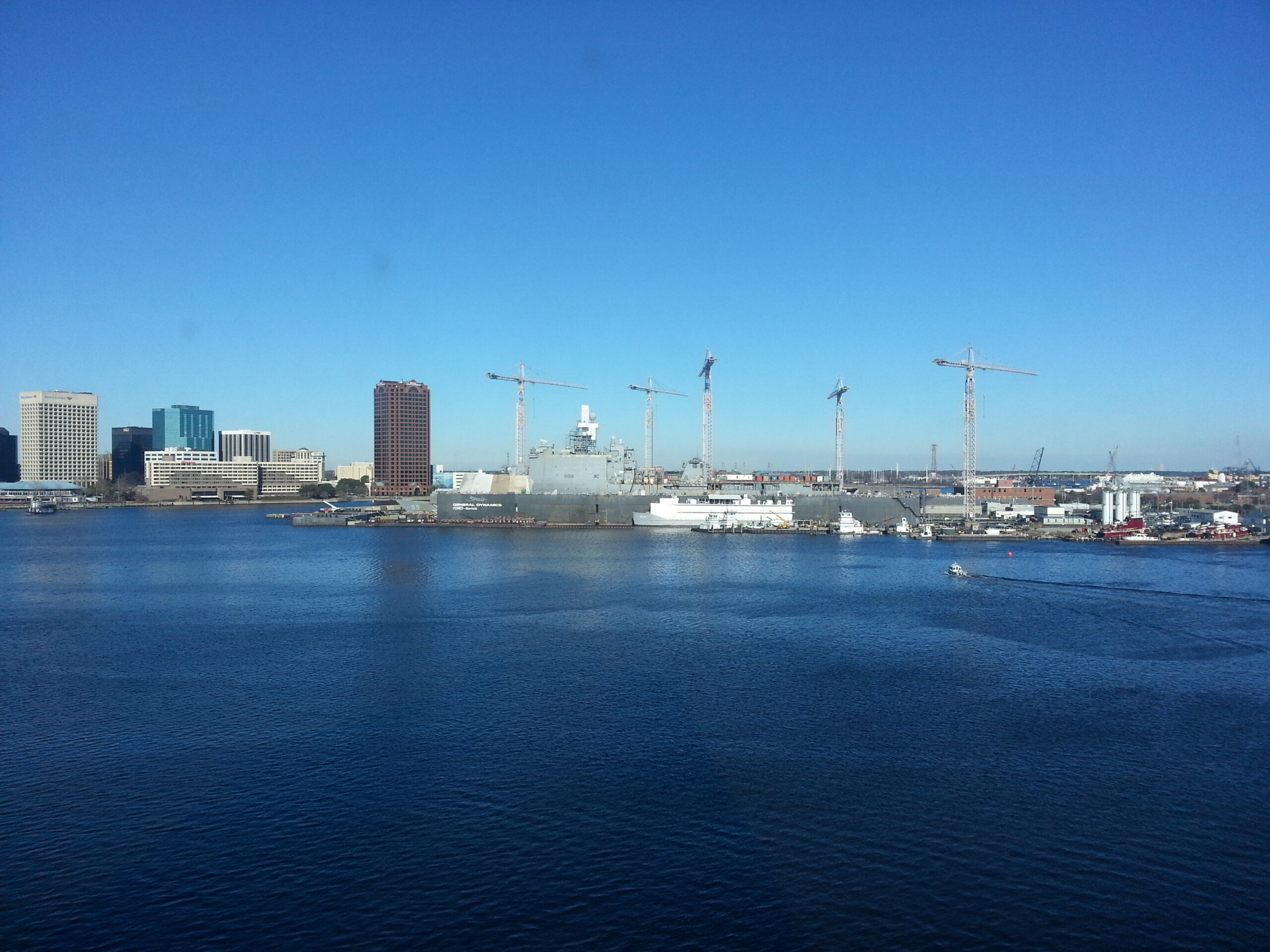
The Victory Rover naval base cruise route covers about 4 nautical miles round trip through Hampton Roads — one of the most active naval harbors in the world. Specific ships visible vary by deployment cycles, but typical Victory Rover naval base cruise sightings include:
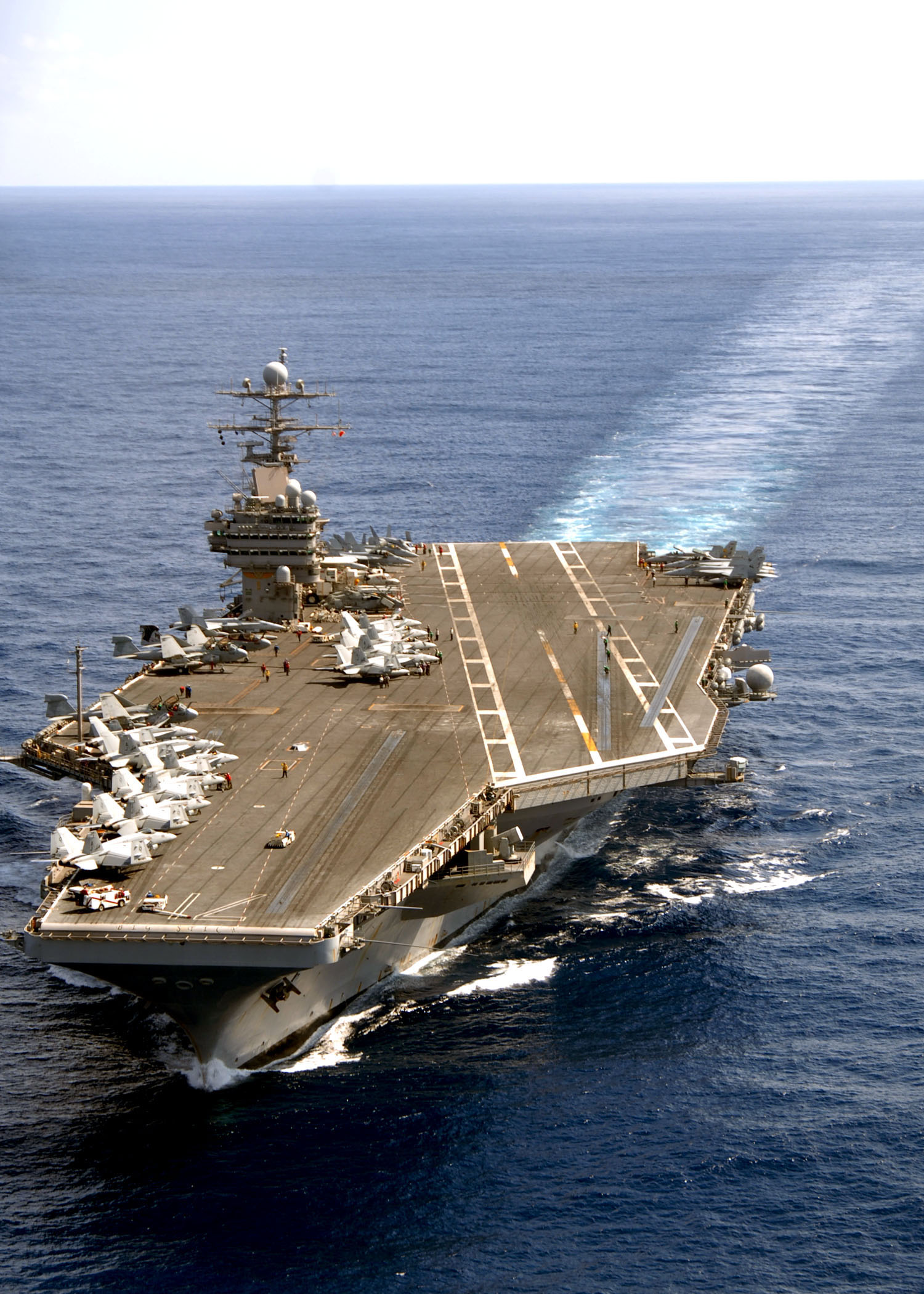
- Aircraft carriers: Nimitz-class and Gerald R. Ford-class supercarriers when in port (USS George H.W. Bush, USS Dwight D. Eisenhower, USS Gerald R. Ford regularly call Norfolk home).
- Guided-missile destroyers: Arleigh Burke-class destroyers, often 8–12 in port at any time.
- Amphibious assault ships: Wasp-class and America-class flat-decks, distinctive by their helicopter-and-Marine-vehicle layouts.
- Submarines: Occasional Los Angeles-class and Virginia-class fast-attack submarines, distinctive by their black hulls riding low in the water.
- Support ships: Replenishment oilers, transport docks, and the rare hospital ship.
Victory Rover naval base cruise narration is delivered by a U.S. Navy veteran who explains ship classes, current deployments where unclassified, and Hampton Roads naval history. The narration is the difference between “we saw some Navy ships” and “we understood what we were looking at” — it’s the genuine value-add of the Victory Rover naval base cruise experience.
Victory Rover naval base cruise: schedule and pricing
The Victory Rover naval base cruise typically runs three departures daily during peak season (April through October): 11 AM, 2 PM, and 4 PM. Off-season (November through March) reduces to 1–2 daily departures. Confirm current schedules through the Victory Rover booking system before relying on a specific time.
Victory Rover naval base cruise pricing, read on the operator’s own site in October 2026:
- Adults: $34.78
- Children 3 to 12: $24.08
- Same-day combo with Nauticus and the Battleship Wisconsin: $53.77 adults, $40.66 children
- No senior, military or first-responder discounts at present; group rates are arranged through the operator
For cruise passengers, the Victory Rover naval base cruise consistently delivers the top value among Norfolk’s paid attractions on a per-minute-of-experience basis. Compared to a $20 battleship self-tour (90 minutes static) or a $5 Hunter House Museum (45 minutes), the Victory Rover naval base cruise’s $35 for two hours of active narrated harbor exploration ranks high.
Where the Victory Rover naval base cruise leaves from
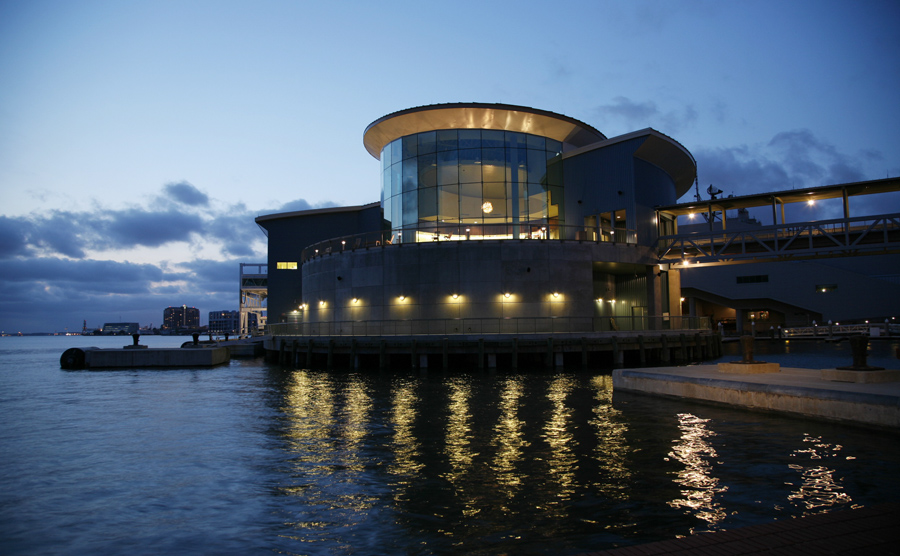
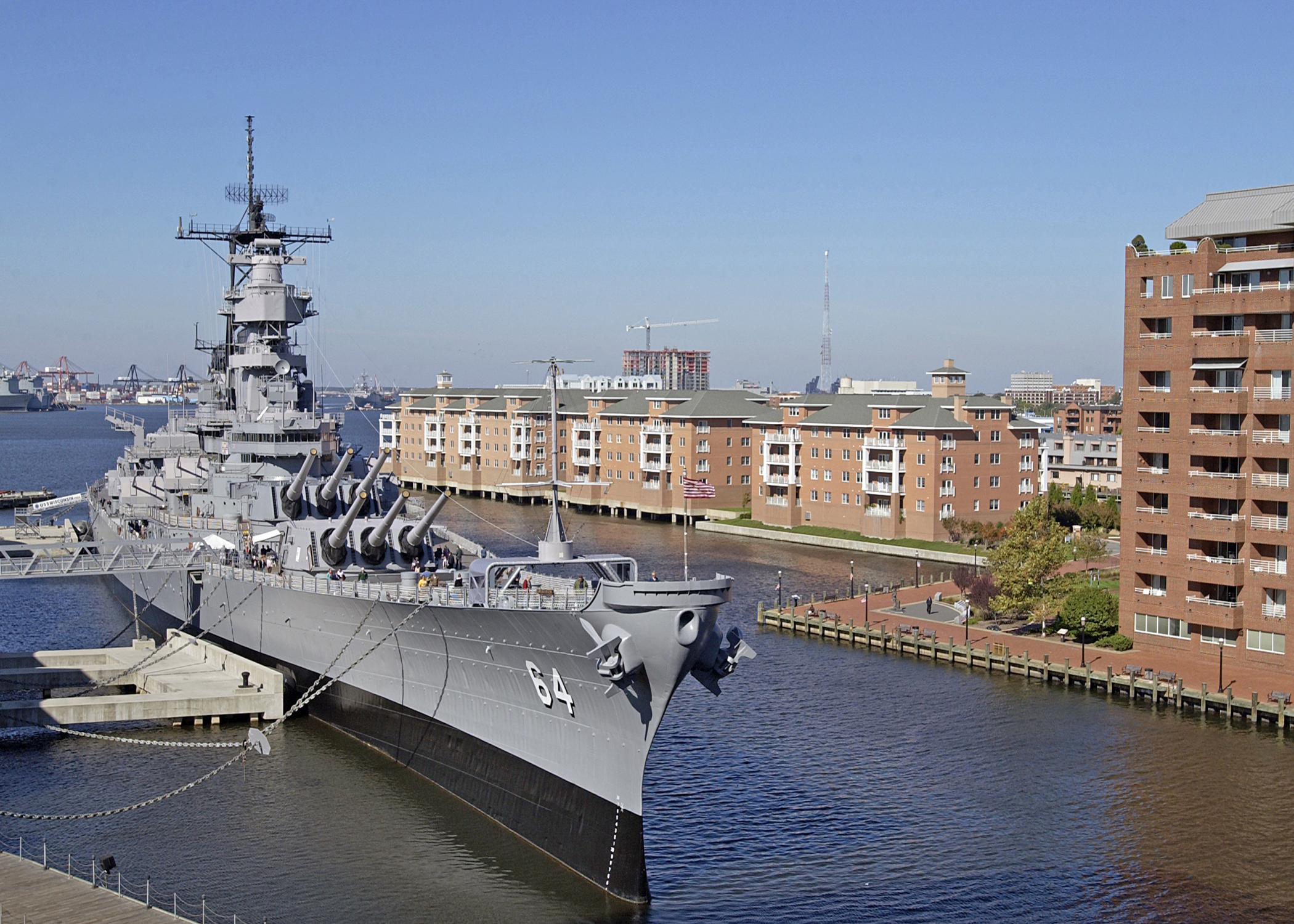
The Victory Rover departs from Nauticus pier on the Norfolk waterfront — directly adjacent to the Battleship Wisconsin. From Norfolk Cruise Terminal, the walk to the Victory Rover naval base cruise boarding pier runs about 5 minutes along the waterfront path. You can’t miss the boat: it’s a distinctive 65-foot harbor cruise vessel with “Victory Rover” prominently labeled.
Boarding begins about 20 minutes before each departure. Show up at the pier 30 minutes before to handle ticket pickup and find a good seat (upper deck and bow seats fill first). For cruise passengers planning to combine the Victory Rover naval base cruise with a Battleship Wisconsin self-tour, the geographic clustering means both stops fit in a single 3-hour port-day window.
Victory Rover naval base cruise: what to expect on board
The Victory Rover is a covered-deck harbor cruiser with seating for about 150 passengers. Two decks: an enclosed lower deck with full glass windows for weather-protected viewing, and an open upper deck for unobstructed photo angles. Restrooms are on board. Snacks and beverages are usually available for purchase; cash and card both accepted.
The Victory Rover naval base cruise narration begins immediately on departure and continues throughout the route. Recommended seat: upper deck starboard (right) side for the outbound leg, port (left) side for the return — the route configures so most ship sightings happen on alternating sides depending on direction. Both sides see action; neither is significantly better than the other.
Photography is allowed and encouraged on the Victory Rover naval base cruise. The Navy’s general rule for unclassified ship photography: no flash near the ships, no telephoto-aiding equipment that could be construed as surveillance, and no photographs of any restricted-area signs you might see. The narrator briefs passengers on these rules before reaching the active piers.
Top time to take the Victory Rover naval base cruise
Time of day
The 11 AM Victory Rover naval base cruise is the most consistently lit for photography — direct overhead sun creates the cleanest hull shots. The 2 PM departure works well for cruise passengers who want a leisurely lunch first. The 4 PM departure is the most photogenic for sunset-hour silhouettes against ship hulls but cuts close to typical 5–5:30 PM cruise all-aboard times. For most cruise passengers, the 11 AM or 2 PM Victory Rover naval base cruise fits port-day windows top.
Time of year
The Victory Rover naval base cruise runs year-round (weather permitting), but peak naval-base activity tends to cluster spring through fall when carrier groups deploy and return. Winter visits are quieter (some ships are at sea or in maintenance), but the experience is still strong. The water is calmer in winter, so the Victory Rover naval base cruise is sometimes more comfortable for seasick-prone cruise passengers off-season.
Tide and weather
The Victory Rover naval base cruise runs in most weather conditions. Heavy rain or thunderstorms can cancel a sailing — refunds or rebookings are standard if a Victory Rover naval base cruise is canceled by the operator. Hampton Roads water is sheltered enough that even a windy day produces only mild chop. Seasickness is rare on the Victory Rover.
Combining Victory Rover naval base cruise with other Norfolk port-day stops
The Victory Rover naval base cruise pairs naturally with other Norfolk waterfront and history stops:
- Battleship Wisconsin self-tour (5 minutes from the pier): 2 hr Victory Rover + 90 min battleship = compact 3.5-hour history-focused port-day segment.
- Selden Market lunch (8-minute walk): 2 hr Victory Rover + 60 min Selden lunch = tight half-day with food and naval experience.
- NEON Arts District + Victory Rover: NEON murals (45 min) + Victory Rover naval base cruise (2 hr) + Selden lunch (60 min) = strong half-day combo.
- MacArthur Memorial + Victory Rover: MacArthur Memorial (60 min) + Victory Rover naval base cruise (2 hr) + Battleship Wisconsin (90 min) = 4.5-hour military-history block.
Our full day Norfolk port itinerary guide shows how the Victory Rover naval base cruise fits into broader port-day templates.
Victory Rover naval base cruise vs. land-based naval base tours
Two main alternatives exist for cruise passengers wanting to see Naval Station Norfolk: the Victory Rover naval base cruise (water-based, 2 hr, $35) or the Hampton Roads Naval Museum tour bus (land-based, 90 min, comparable price). Each shows different things.
The Victory Rover naval base cruise is generally the better choice for cruise passengers because:
- Better photo angles — water-side views aren’t blocked by base buildings.
- Closer approach — the Victory Rover gets within 200 yards of active piers; the bus tour stays on the perimeter road.
- No base ID requirements — the bus tour requires advance ID-based access; the Victory Rover doesn’t.
- More consistent ship variety — water route reliably passes 5+ active ships; land route depends on which ships are visible from the road.
The land-based bus tour is the better choice if you specifically want to walk on the base, see the Hampton Roads Naval Museum exhibits, or you have mobility limitations that make boat boarding difficult. For most cruise passengers asking which tour to choose, the Victory Rover naval base cruise is the answer.
Victory Rover naval base cruise: tips for cruise passengers

Tip 1: Book in advance during peak season
Weekend Victory Rover naval base cruise sailings May through September often sell out 2–4 days in advance. Book online before arriving at the Norfolk Cruise Terminal for your cruise. Last-minute walk-up tickets are sometimes available but not guaranteed.
Tip 2: Bring binoculars if you have them
The Victory Rover naval base cruise gets close to active piers, but binoculars enhance the experience for ship-detail enthusiasts. Many passengers find binoculars give the difference between “I saw destroyers” and “I saw a specific destroyer’s hull number.” Compact binoculars work fine.
Tip 3: Layer for wind
Even on warm days, the upper deck of the Victory Rover naval base cruise is breezy at sailing speed. Bring a light jacket or windbreaker. A hat helps for sun and wind. Closed-toe shoes are optional but more comfortable than sandals on the upper deck.
Tip 4: Bring water
The Victory Rover naval base cruise has snacks for sale but bringing your own water saves money and ensures hydration. The summer humidity makes water more important than it might seem from a covered deck.
Tip 5: Sit with the narrator
The narrator’s seat is in the upper deck center. Sitting within 15 feet of the narrator improves audio quality on a windy day. Forward and aft seats sometimes lose narration quality when wind picks up. The Victory Rover naval base cruise narration is the experience’s value-add — sit close enough to hear it clearly.
Victory Rover naval base cruise: accessibility
The Victory Rover has limited wheelchair accessibility — the gangway and lower deck are accessible, but the upper deck requires steep stairs. Wheelchair-using cruise passengers can do the Victory Rover naval base cruise from the lower deck with full views through the wraparound windows. Service dogs are permitted with advance notice.
For cruise passengers with mobility limitations who want to skip the gangway, our accessible Norfolk shore excursions guide covers walkable alternatives that don’t require boat boarding.
Victory Rover naval base cruise FAQ
How long is the Victory Rover naval base cruise?
Approximately two hours on the water. Plan to arrive 20–30 minutes before departure. Departure times vary by date, so confirm the current schedule directly with the operator before your port day.
Where does the Victory Rover naval base cruise leave from?
Nauticus pier on the Norfolk waterfront, about 5 minutes on foot from the Norfolk Cruise Terminal Cruise Center. The pier is directly adjacent to the Battleship Wisconsin.
How much does the Victory Rover naval base cruise cost?
$34.78 for adults and $24.08 for children 3 to 12 on the operator’s site in October 2026, with a same-day Nauticus and battleship combo at $53.77. There are no senior or military discounts at present.
What ships will I see on the Victory Rover naval base cruise?
Varies based on Navy deployment cycles. Typical sightings include 1–2 aircraft carriers, 6–10 destroyers, 1–2 amphibious ships, and occasional submarines and support vessels. The narrator identifies each ship as you pass.
Is the Victory Rover naval base cruise good for kids?
Yes, especially kids 6+ who are interested in ships, military history, or vehicles. Younger kids may find the two-hour duration long. Bring snacks and water for kids.
Can I take photos on the Victory Rover naval base cruise?
Yes. Photography is allowed and encouraged. The narrator briefs passengers on Navy guidelines (no flash near ships, no surveillance equipment) before reaching active piers.
Does the Victory Rover naval base cruise run in winter?
Yes, year-round, weather permitting. Schedule reduces from 3 daily departures (peak) to 1–2 daily (off-season). Confirm before your visit.
Is the Victory Rover naval base cruise the same as the cruise-line shore excursion?
Some cruise lines resell the Victory Rover naval base cruise as a shore excursion at a markup. Booking direct through Victory Rover saves $15–25 per person versus the cruise-line excursion price. The experience is identical either way.
Victory Rover naval base cruise: comparing to other Norfolk experiences
The Victory Rover naval base cruise occupies a unique niche in Norfolk port-day options. Walking-only port days deliver more cumulative variety. The battleship self-tour delivers more depth on a single ship. The Hampton Roads Naval Museum delivers more exhibit-based history. The Victory Rover naval base cruise delivers something none of those can: the active naval base from a sightline that no other public access provides. For first-time Norfolk cruise passengers, that uniqueness alone justifies the booking.
Repeat Norfolk visitors often skip the Victory Rover naval base cruise on second or third visits, since the route doesn’t change radically year over year. But for first-timers, the Victory Rover naval base cruise is one of the highest-recommended Norfolk experiences across cruise-port reviews.

Hampton Roads naval history context
Naval Station Norfolk has been the U.S. Navy’s primary East Coast hub since 1917, when the federal government acquired the site for the World War I buildup. By 1945, the base hosted the largest concentration of warships in the world during the closing months of the Pacific war. Today the base covers 4,300 acres and supports 75 ships, 134 aircraft, and roughly 80,000 personnel including dependents.
The Hampton Roads waterfront — the natural harbor where the Elizabeth and James rivers meet the Chesapeake Bay — has been militarily significant since the colonial era. The Battle of the Capes (1781) was fought just outside this harbor and effectively ended the Revolutionary War by trapping British forces at Yorktown. The Battle of Hampton Roads (1862) saw the first clash of ironclad warships, the USS Monitor and CSS Virginia. Naval Station Norfolk’s growth across the 20th century built on this 250-year tradition of naval significance.
Cruise passengers often arrive expecting a generic harbor tour and leave with a far deeper appreciation for U.S. Navy operations. The narrator’s commentary connects modern ships to historical events, deployment patterns, and ongoing geopolitical context — converting a sightseeing trip into something closer to a moving history lesson.
What’s docked: ship-class quick reference
Aircraft carriers
The Nimitz-class supercarriers (USS George H.W. Bush, USS Theodore Roosevelt, USS Dwight D. Eisenhower among others) are 1,092 feet long, displace 100,000 tons, and house 5,000+ sailors during deployment. From the harbor, the carriers are unmistakable — the angled flight deck, the island superstructure, and the massive scale dominate any view. Carriers are often in port either preparing to deploy or just returning, with deck activity visible.
Newer Gerald R. Ford-class carriers (USS Gerald R. Ford, USS John F. Kennedy as it commissions) are visually similar to Nimitz-class but slightly larger and feature electromagnetic catapults rather than steam catapults. Spotting the difference from a tour boat is hard, but the narrator points out the distinguishing features.
Destroyers
Arleigh Burke-class guided-missile destroyers are the workhorses of the surface fleet. About 510 feet long, gray hulls with the distinctive AEGIS combat system mast. Norfolk typically hosts 8–12 destroyers in port at any time, in various deployment cycle stages. Destroyers are the most common ship class spotted on a typical Norfolk harbor tour.
Amphibious ships
Wasp-class and America-class amphibious assault ships look like smaller aircraft carriers but serve different purposes — landing Marines and helicopters, not fixed-wing aircraft strikes. About 850 feet long, with smaller flight decks. The bow ramp and well-deck for amphibious vehicles are visible features distinguishing these ships from carriers.
Submarines
Submarine sightings are less common because submarines spend most of their time at sea or in protected dry docks. When in port at the surface piers, the black hulls ride low in the water with limited visible superstructure — just the sail (the conning tower) and the rounded hull profile.
Support and logistics ships
Replenishment oilers (Henry J. Kaiser-class), transport docks (San Antonio-class), and cable-repair ships round out the typical Naval Station Norfolk inventory. These ships are less photogenic than the warships but the narrator explains why they’re operationally critical to fleet readiness.
Booking direct vs. through your cruise line
Some cruise lines bundle this harbor tour into their shore-excursion menu at a markup of $15–30 per person. Booking direct through the operator’s website saves money and gives you more flexibility on departure time. The cruise line typically locks you into a specific group sailing, while direct booking lets you pick any of the day’s three departures based on how your port-day plan unfolds.
For solo travelers and pairs, direct booking is essentially always cheaper. For groups of 4+, the math sometimes flips because the cruise-line tour includes the terminal-to-pier transport (which you don’t actually need given the 5-minute walk). Read the cruise-line excursion description carefully before deciding.
Pre-trip planning checklist
- Book 2–4 days ahead for weekend peak-season sailings.
- Check weather forecast morning-of; cancellations sometimes happen for severe weather.
- Bring water, sunscreen, hat, and a light jacket regardless of season.
- Charge your phone fully — photo opportunities are continuous for 60 minutes.
- Bring binoculars if you want to read hull numbers and see deck details.
- Arrive 30 minutes before departure for ticket pickup and good seat selection.
- Confirm your cruise’s all-aboard time and pick a departure that leaves a 60-minute buffer.
Beyond the harbor tour
Cruise passengers who enjoyed the harbor tour often follow up with the Hampton Roads Naval Museum (free, walkable from the Norfolk Cruise Terminal, indoors), the MacArthur Memorial (free, walkable, military history), or the Battleship Wisconsin self-tour (paid, 90 min, walkable). All three pair naturally with the boat tour for a Navy-history-themed half-day. MacArthur Memorial guide and Norfolk Cruise Terminal guide cover these complementary stops.
For cruise passengers comparing Norfolk to other naval-history-rich cruise ports, only a handful of ports worldwide offer this kind of public access to an active naval base. San Diego is the West Coast equivalent. Pearl Harbor in Honolulu offers a similar but more memorial-focused experience. Norfolk’s combination of active fleet visibility plus walkable cruise-port logistics is rare.
Authoritative naval-tour resources
- Victory Rover Naval Base Cruises official site
- Naval History and Heritage Command
- Naval Station Norfolk official page
- Hampton Roads Naval Museum
For the priority list, our top-ranked Norfolk attractions for cruise passengers covers all 8 must-see stops within 12 minutes of the terminal.
Related Norfolk Guides
Cruise passengers who book the Victory Rover usually pair it with one of these:
- MacArthur Memorial — free, ten minutes on foot, fits before or after the harbor tour
- Norfolk Cruise Terminal Guide — exactly where to walk to reach the Victory Rover dock
- Are Ship Shore Excursions Worth It? — straight comparison of the Victory Rover vs the ship-booked harbor tour
- Cannonball Trail — self-guided historic walk that fits in the same morning
- Full-Day Norfolk Port Itinerary — where the Victory Rover fits in a complete port day
More Norfolk Guides
Planning your Norfolk port day? Get answers to 40 of the most common cruiser questions in our Norfolk Cruise Port FAQ — covering walkability, parking, side trips, Naval Base tours, and more.