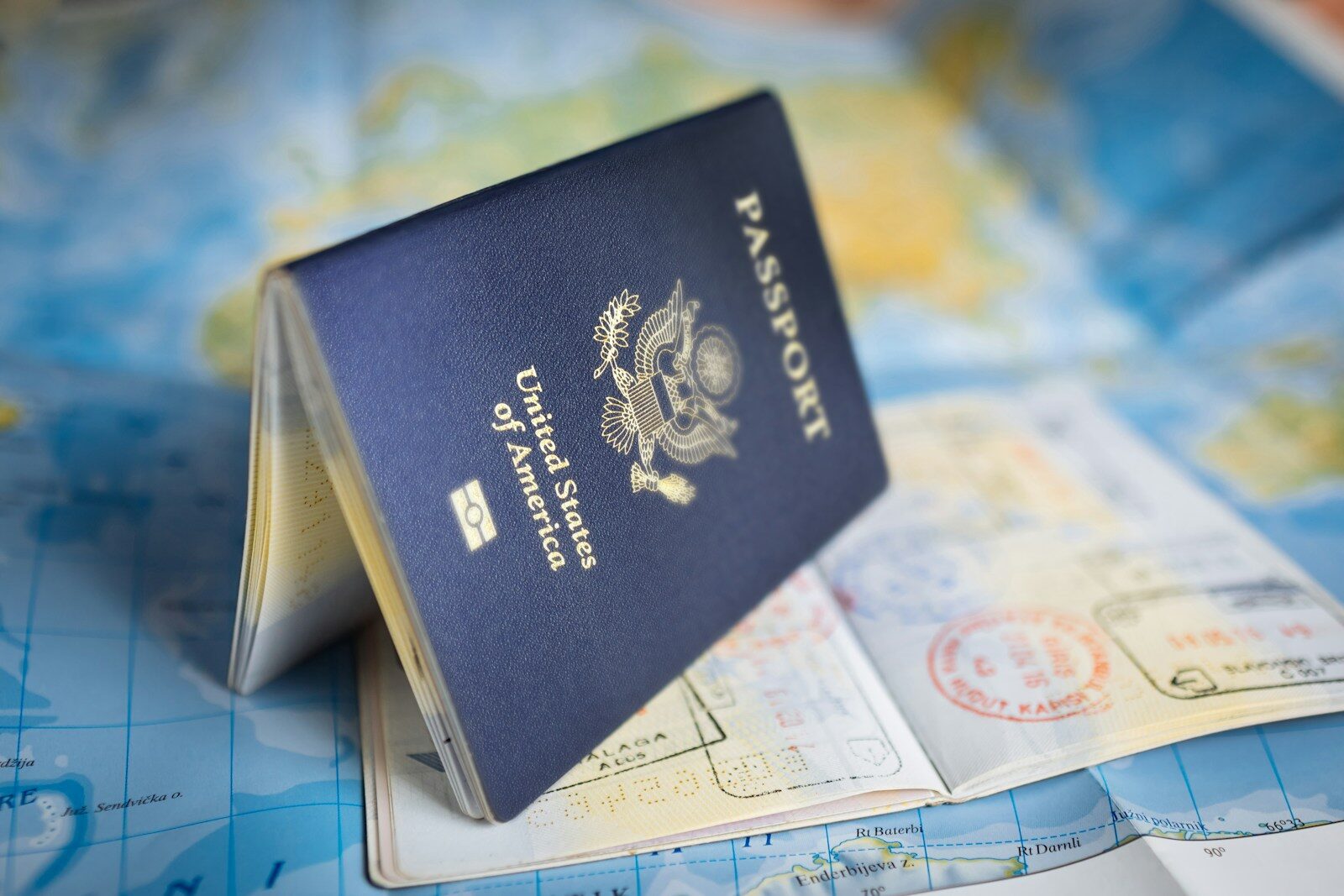
Quick answer: For most cruises sailing from Norfolk, Virginia, you do not need a passport — Norfolk’s regular sailings on Carnival, Royal Caribbean, and NCL are closed-loop cruises, meaning they start and end at the same US port. US citizens on a closed-loop cruise can board with a certified birth certificate plus a government-issued photo ID instead of a passport. A passport is still the safest, most flexible document to bring, and it’s required if your itinerary includes a flight or any non-closed-loop foreign port.
What counts as a closed-loop cruise from Norfolk?
A closed-loop cruise is any sailing that departs from and returns to the same US port. Almost every Carnival cruise from Norfolk — including itineraries to The Bahamas, Bermuda, Eastern Caribbean, and Eastern Canada — qualifies. As long as your ship begins and ends its voyage in Norfolk and only visits Western Hemisphere destinations (the Caribbean, Mexico, Bermuda, Canada, or Bahamas), the closed-loop rules apply under the US Western Hemisphere Travel Initiative (WHTI).
What documents work for a closed-loop Norfolk cruise?
If you’re a US citizen 16 or older sailing closed-loop from Norfolk, you can board with any one of the following:
- A US passport book (valid, any expiration date that covers your trip)
- A US passport card
- A certified US birth certificate plus a government-issued photo ID (such as a driver’s license)
- An Enhanced Driver’s License from a state that issues them (Michigan, Minnesota, New York, Vermont, or Washington)
- A Trusted Traveler card (NEXUS, SENTRI, or FAST)
Children under 16 traveling with a parent or guardian only need a certified birth certificate. Hospital-issued “souvenir” birth certificates are not accepted — you need the certified copy with a raised seal.
When you DO need a passport from Norfolk
Even on a closed-loop sailing, a passport book becomes essential in three situations:
- You miss the ship at a foreign port. If your ship sails without you in Nassau, Hamilton, or any Caribbean island, you will need to fly home — and you cannot board an international flight back to the US without a passport book. A passport card is not enough for air travel.
- You have a medical emergency abroad. If you’re flown home from a foreign port for medical reasons, a passport book is required.
- Your itinerary stops outside the closed-loop zone. Transatlantic, Panama Canal, or repositioning cruises that end in a different country require a passport.
REAL ID and your Norfolk cruise
REAL ID is a federal rule for domestic flights, not cruises. If you’re flying to Norfolk to board your ship, you’ll need a REAL ID-compliant driver’s license or a passport to clear TSA at your home airport starting May 7, 2025. The cruise terminal itself does not require REAL ID — only the airport does.
The same REAL ID rule applies if you fly rather than sail — our companion site walks through REAL ID for Puerto Rico, including how to tell whether your license qualifies and what to do if it does not.
If your cruise stops in San Juan, Puerto Rico
Some longer Caribbean itineraries from the East Coast call at San Juan. Good news: Puerto Rico is a US territory, so a stop in San Juan does not change your passport requirements. For a deeper dive into the cruise-passport rules at San Juan specifically — including which dock you’ll use, the closed-loop logic, and what to bring — see our Old San Juan partner guide: Passport Requirements for a San Juan Cruise Stop. If your sailing is a true closed-loop Caribbean run, the closed-loop cruises from San Juan guide walks through the same rules from the San Juan-as-homeport angle.
Ashore in San Juan you are still on U.S. soil, so nothing new is asked of you at the pier. The full picture, including green card holders and travelers who are not U.S. citizens, is in do you need a passport for Puerto Rico.
Our recommendation
If you already have a valid passport book, bring it. The peace of mind is worth more than the few ounces in your carry-on. If you don’t have one and your sailing is a standard closed-loop Carnival run from Norfolk to The Bahamas or Bermuda, a certified birth certificate plus your driver’s license is enough — and you can save the $130-plus passport fee. The one exception: if anyone in your party has a fragile medical situation, or if you’re nervous about missing the ship, get the passport.
Related Norfolk cruise guides
For a full breakdown of closed-loop sailing rules and accepted documents, see Closed-Loop Cruises from Norfolk: Passport Rules Explained.