The Norfolk Cruise Terminal sits in downtown Norfolk, just steps from the city’s most walkable cruise-passenger attractions, restaurants, and museums.
Norfolk Cannonball Trail: How It Works
The Norfolk Cannonball Trail is a free, self-guided historic walking route that starts within sight of the Norfolk Cruise Terminal. Plaques mark each stop. This is the practical version for cruise passengers.
For background, see the city’s official Cannonball Trail page. The City of Norfolk maintains the official Cannonball Trail marker list and route.
Last updated: May 2026 · Written by a Norfolk local — independent guide, not affiliated with any cruise line or tourism agency.
The Cannonball Trail is a self-guided historic walking route through downtown Norfolk, marked by actual cannonballs embedded in the sidewalk at each stop. It is free, completely walkable from the Norfolk Cruise Terminal Cruise Terminal, and most cruise passengers walk right over the markers without realizing what they are. This is the route, in order, with what to look at when you stop.
Cannonball Trail — At a Glance
- Start point: Within walking distance of the terminal — most cruise passengers join the trail near St. Paul’s or City Hall
- Walk time from the Norfolk Cruise Terminal to first marker: about 5 minutes
- Length: Roughly 2 miles total if you do the full loop; shorter sections work fine
- Cost: Free
- Time needed: 60–90 minutes for the full route at a relaxed pace
- Markers: Cannonballs set into the sidewalk at each stop, with interpretive signage at most
- Top for: Anyone with a 90-minute window and an interest in 18th-century history
Why This Trail Exists
Norfolk was burned to the ground on January 1, 1776, in one of the more dramatic episodes of the Revolutionary War. Almost nothing from that period survived intact, and what is on the Cannonball Trail is the small set of buildings, sites, and stories that did. The trail was created to make those scattered fragments findable on foot.
The metaphor is literal: cannonballs in the sidewalk, marking sites that were targeted, sheltered, or otherwise touched by the burning of Norfolk and the city’s slow rebuild.
The Stops, In Order From the Terminal
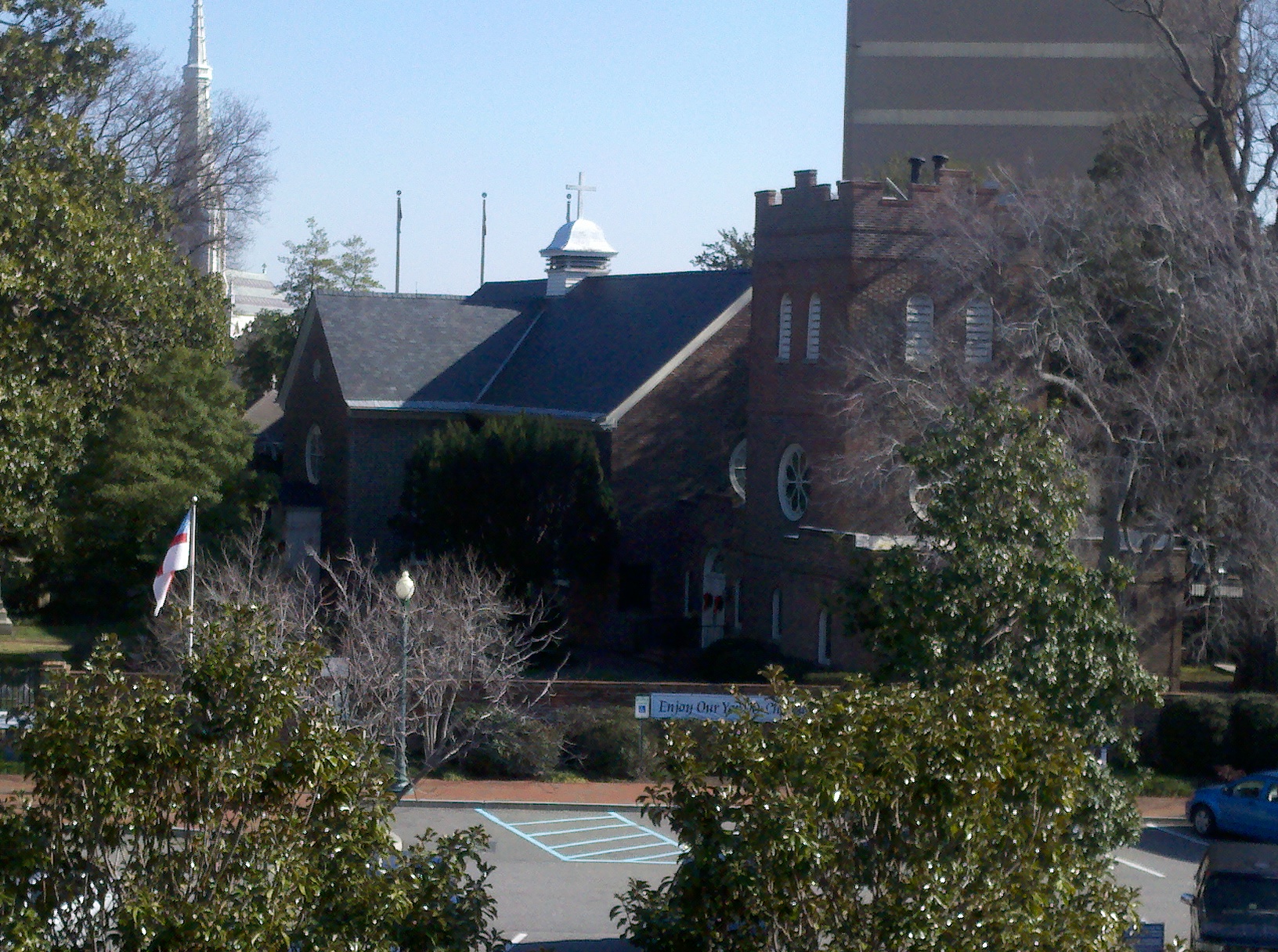
1. St. Paul’s Episcopal Church (201 St. Paul’s Boulevard)
The most famous stop on the trail. A British cannonball is still embedded in the south wall of the church, fired during the 1776 bombardment. The church itself is one of the few colonial structures that survived. Walk around the south side and look up to find the cannonball — the locals will point it out if you ask.
2. The Norfolk Freemason Cobblestone Block
The Freemason district preserves cobblestone streets and 18th-century brick row houses better than anywhere else in downtown. The cobblestones themselves are part of the trail. Walk slowly and look at the foundation stones on the older houses.
3. Old City Hall / MacArthur Memorial Building (198 Bank Street)
Now the MacArthur Memorial, this 1850s building was Norfolk’s city hall during the antebellum period. The interior is free to visit and worth the detour. See MacArthur Memorial for a full guide.
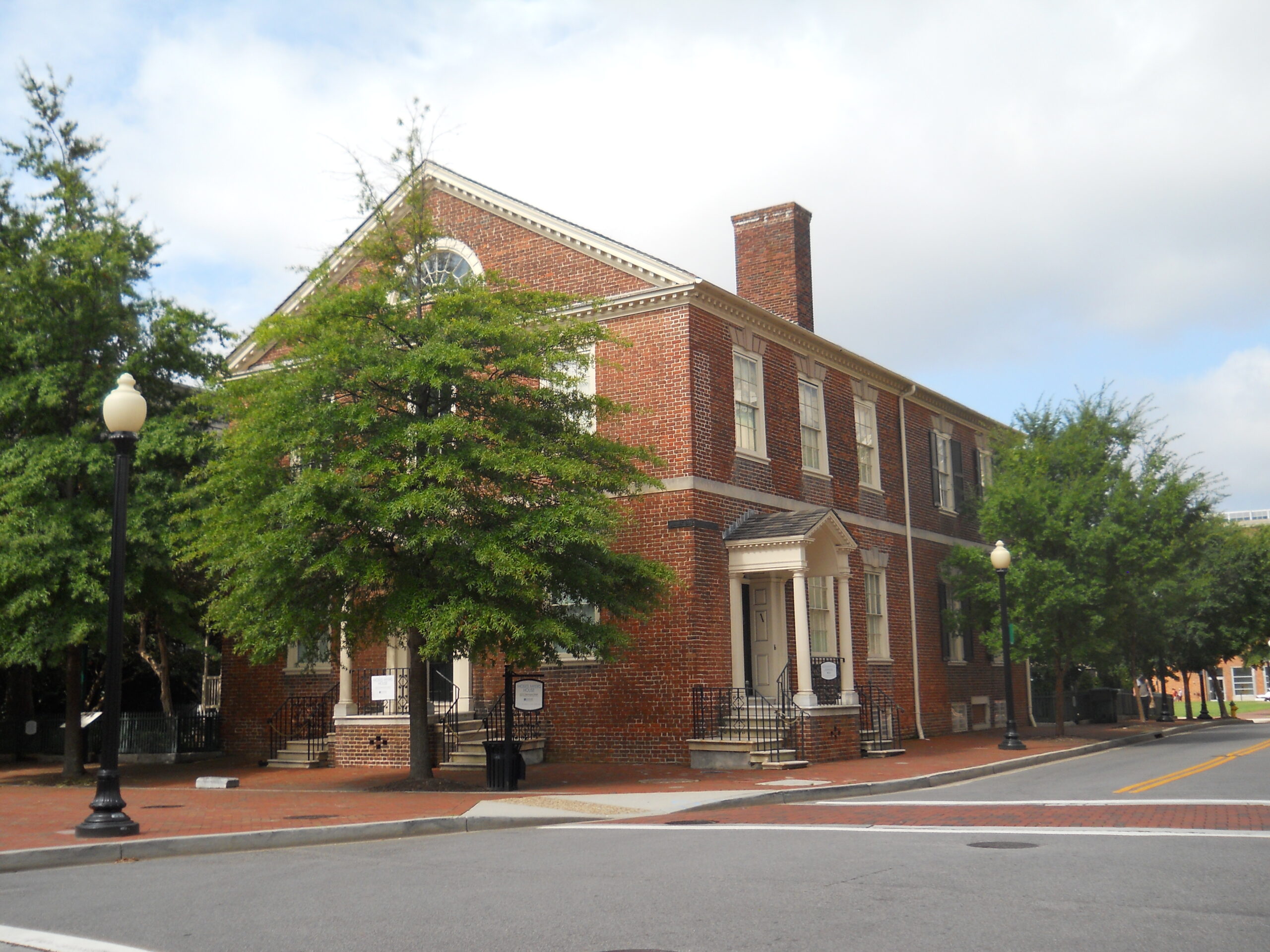
4. The Moses Myers House Site
One of Norfolk’s oldest surviving residences, associated with one of the city’s earliest Jewish merchant families. Architecture and history pairing.
5. The Customs House (101 East Main Street)
A working federal customs house since the early 1800s. Closed to the public, but the exterior is one of the better Greek Revival facades in the South.
6. The Selden Arcade Block
The 1930s commercial arcade now operating as Selden Market is on the trail not for its 18th-century history but for its place in Norfolk’s 20th-century commercial story. See Selden Market.
7. Plume Street and the Mermaid Sculpture Markers
The trail crosses Plume Street, where several mermaid sculptures stand. The mermaids are not historic — they were installed starting in 1999 — but they are now a permanent part of how the trail walks.
8. The Pagoda and Marine Observation Tower
The Pagoda was a 1989 gift from Taipei, Norfolk’s sister city, and sits on the waterfront near where the original 1776 town wharves stood. It is also the natural endpoint of a Cannonball Trail loop back toward the terminal.
The 90-Minute Walking Route, In Order
- Start at the Norfolk Cruise Terminal, walk to St. Paul’s Episcopal Church (find the cannonball in the wall)
- Walk through the Freemason cobblestone block
- Continue to the MacArthur Memorial — interior visit if time allows
- Down to the Customs House on East Main
- Cross to Selden Market for a 15-minute coffee and browse
- Return via Plume Street — count mermaids
- Finish at the Pagoda waterfront
- Walk the waterfront back to the Norfolk Cruise Terminal (5 minutes)
Total walking distance: under 2 miles. Allow 90 minutes if you stop briefly at each marker, 2 hours if you go inside MacArthur or eat at Selden.
Practical Notes

- The cannonball markers are not always obvious — look down at sidewalk corners as you cross intersections in the historic district.
- The full official Cannonball Trail has more stops than the abbreviated cruise-passenger route above. Pick up a map at the visitor center near Waterside if you want the full version.
- The route is mostly flat with a few low curbs. Suitable for most mobility levels; not all stops have step-free interiors.
- Bring water in summer. Downtown Norfolk has limited public water fountains.
- The route is safe in daylight hours. Some sections quiet down after 6 PM — finish before sunset.
Related Norfolk Guides
- The Weird Norfolk Walk: A 90-Minute Loop From the Terminal
- MacArthur Memorial Norfolk
- Selden Market Norfolk
- Walkable Things to Do Near Norfolk Cruise Terminal
🚶 More Walkable Picks From the Terminal
Other recently added cruise-passenger guides on this site:
🗺️ Walking the Trail With Kids?
Turn the Cannonball Trail into a treasure hunt with our Norfolk Cruise Scavenger Hunt Guide — printable clues and photo challenges that map perfectly onto the trail.
Planning your Norfolk port day? Get answers to 40 of the most common cruiser questions in our Norfolk Cruise Port FAQ — covering walkability, parking, side trips, Naval Base tours, and more.
Frequently Asked Questions
What is the Norfolk Cannonball Trail?
It is a self-guided downtown walking trail that links Norfolk’s historic sites, letting cruise passengers explore the city’s history on foot at their own pace.
How long does the Cannonball Trail take to walk?
You can follow as much or as little of the trail as your time allows; a focused selection of the closest stops fits comfortably into a port-day window.
Does the Cannonball Trail start near the cruise terminal?
Yes. The trail runs through downtown Norfolk near the waterfront, so it is easy to join close to the terminal and follow on foot.